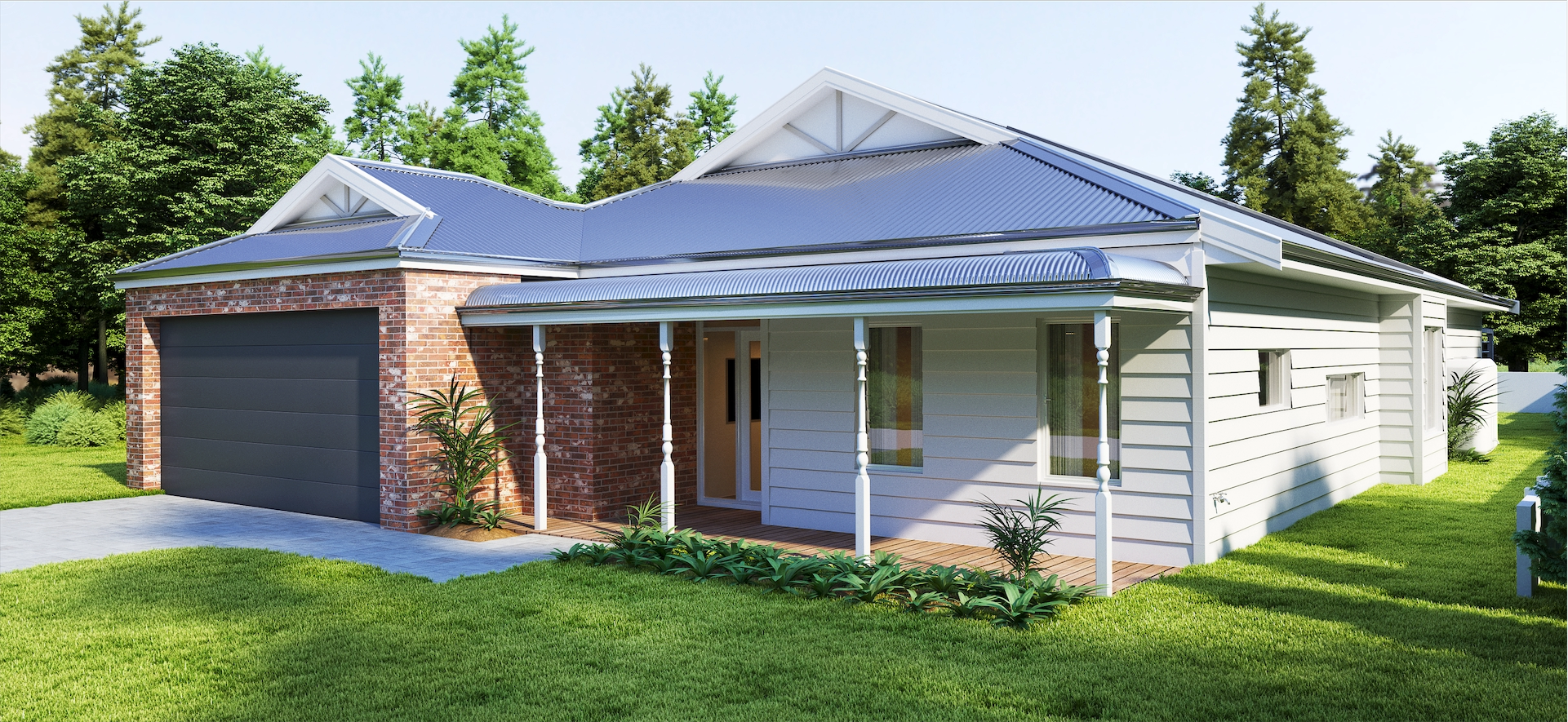
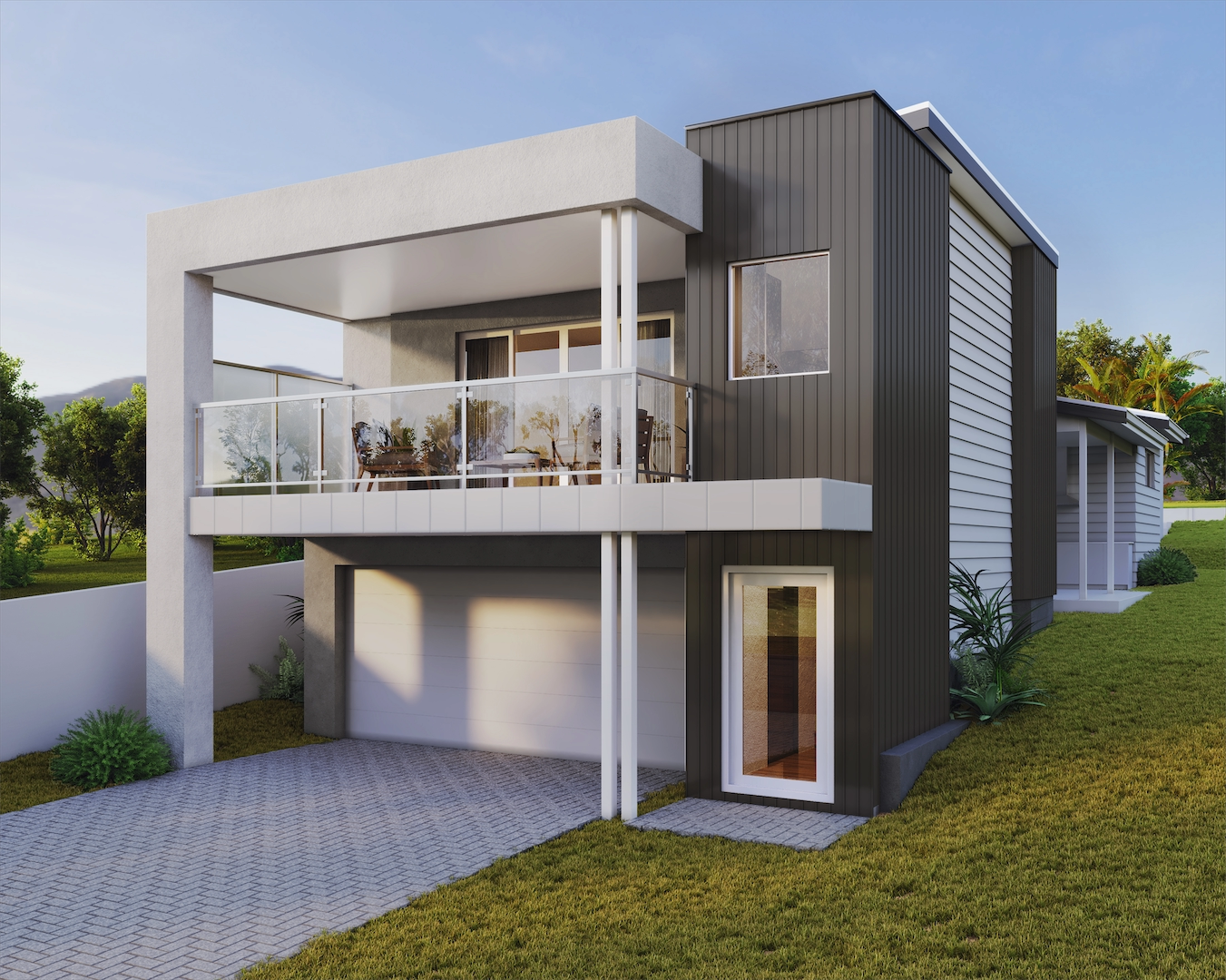
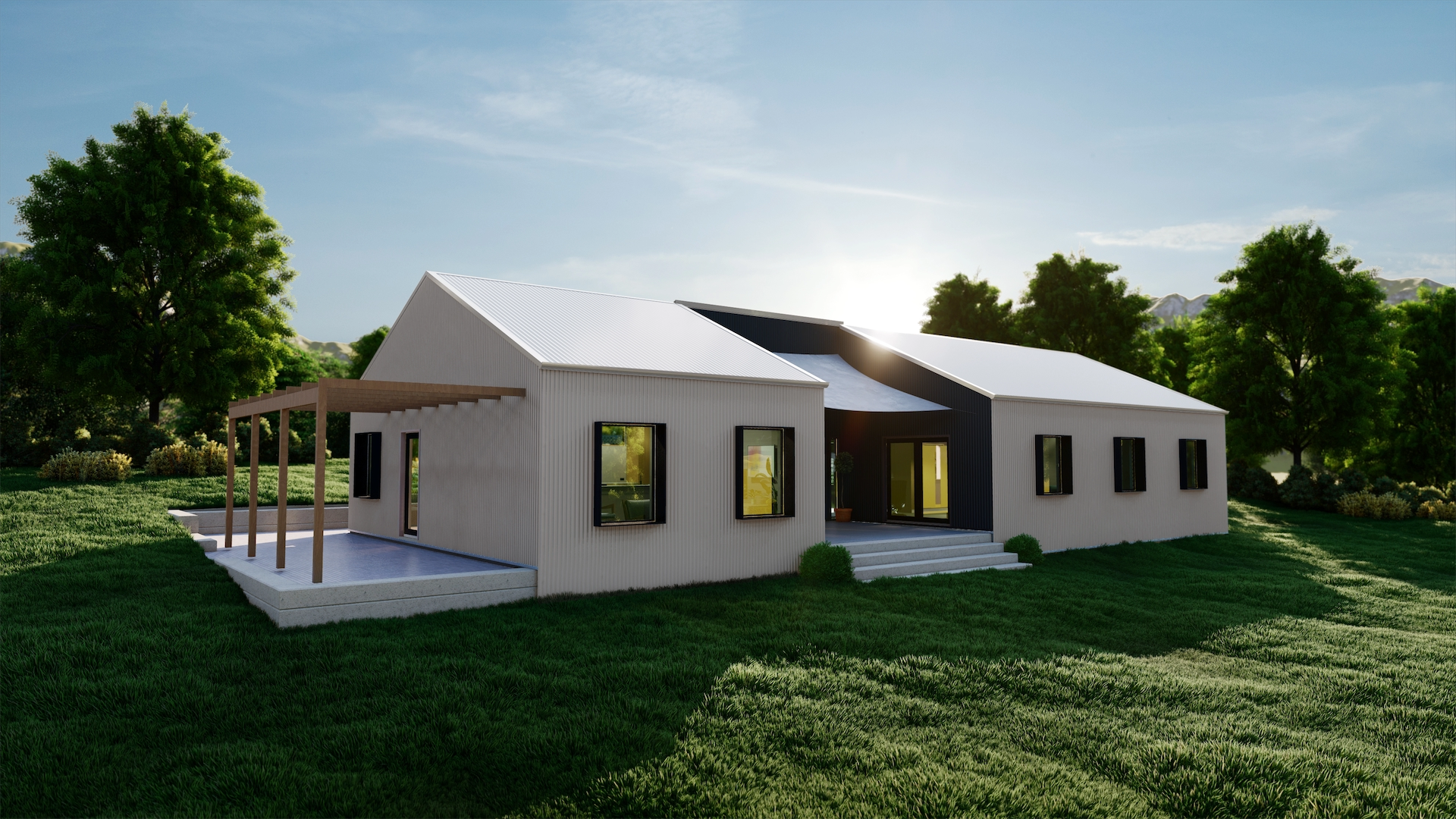
Lower operational demand
Envelope performance reduces reliance on mechanical heating and cooling instead of trying to compensate for a weak shell later.
Perth & Western Australia
Passive House works best when performance thinking is embedded in the architecture from day one, not layered on after the concept is already fixed.
Kellett Design Group
It changes the way the home is planned, detailed, and documented long before construction starts.
Envelope performance reduces reliance on mechanical heating and cooling instead of trying to compensate for a weak shell later.
Rooms stay more even in temperature, drafts are reduced, and indoor conditions feel calmer across the day.
Glazing, shading, airtightness, insulation, and ventilation are coordinated into one design logic instead of scattered consultant fixes.
How We Work
We coordinate the technical side early, while the design is still flexible enough to respond intelligently. That means orientation, glazing, shading, structure, insulation build-up, and ventilation strategy are considered together rather than left to fight each other later.
Certification pathway or high-performance brief, depending on the project and budget.
Plan form, glazing, shading, thermal bridge risk, and airtightness strategy before documentation drifts.
Produce drawings that protect the design intent through approval, consultant input, and eventual construction.
Awards & Affiliations

Proud Members Of
Qualifications
Short answers to the questions clients usually ask before deciding how far to push performance.
Passive House is a performance-based building standard focused on reducing heating and cooling demand through insulation, airtightness, high-performance windows, thermal-bridge control, and balanced ventilation.
Yes. The principles can be applied in Perth, but the design response has to suit local orientation, solar gain, shading, glazing, insulation strategy, and how the home will actually be used.
Not always. Some clients want formal certification, while others want to apply Passive House principles to improve comfort and performance without pursuing the full certification pathway.
It can increase upfront design and construction costs, especially if the brief targets certification. The trade-off is usually better comfort, improved air quality, lower operational demand, and fewer performance compromises.
We help shape the brief, coordinate performance-led design decisions, prepare documentation, and align the architecture with the technical requirements needed for a high-performance outcome.
Get in touch
Whether you're exploring Passive House certification or simply want a higher-performing home, we can help determine the right pathway.
We can help determine whether full certification makes sense, or whether a Passive House-informed design pathway is the better fit.